Can a hormone imbalance stop you from losing weight? You're doing the work, but the scale is barely moving. Being told your labs are normal hasn't explained why. Yes, a hormone imbalance can make weight loss harder, but a plateau alone does not prove a hormone disorder or mean losing weight is impossible. The next step is to look for a treatable condition before you restrict food further or assume you need hormone replacement.
Key Takeaways
- Can hormone imbalance stop weight loss? It can hinder progress, but a plateau does not establish a diagnosis.
- Hypothyroidism, PCOS and menopause require different evaluations. Hormone replacement is not a universal weight-loss treatment.
- GoodLife Health’s Cardiometabolic Optimization Membership connects weight, hormone, blood sugar and cardiovascular care.
- The membership includes a Biomarker Audit every 90 days. Prescriptions and additional labs are billed separately.
- Hormonal conditions can affect appetite, energy expenditure, fluid retention, sleep and body composition.
- The frustration is not simply a stalled scale.
- Your diagnosis matters more than the broad label of hormone imbalance.
- An underactive thyroid can contribute to weight gain through reduced energy expenditure and retention of salt and water.
- Polycystic ovary syndrome can involve irregular ovulation, androgen excess and insulin resistance.
Can hormone imbalance stop weight loss?
Hormonal conditions can affect appetite, energy expenditure, fluid retention, sleep and body composition. Those effects can interfere with a weight-management plan, but they do not create a permanent biological barrier to fat loss.
At GoodLife Health, we approach this through Cardiometabolic Optimization: treating metabolic, hormonal and cardiovascular health as one system. The useful question is which condition explains your symptoms and changes your treatment.
| Possible contributor | Clues worth discussing | What the finding does not prove |
|---|---|---|
| Hypothyroidism | Cold intolerance, constipation, fatigue, dry skin | Every plateau requires thyroid medicine |
| PCOS | Irregular periods, excess facial hair, acne | Weight alone establishes PCOS |
| Perimenopause or menopause | Changing cycles, hot flashes, disrupted sleep | Menopausal hormone therapy is a weight-loss drug |
| Testosterone deficiency in men | Reduced libido, fewer spontaneous erections, reduced strength | Fatigue or abdominal fat alone establishes deficiency |
| Cushing syndrome | Easy bruising, wide purple stretch marks, muscle weakness | Everyday stress means pathological cortisol excess |
These patterns overlap. Your clinician must interpret symptoms, examination findings, medications and appropriately selected tests together.
Why this matters when your labs were called normal
The frustration is not simply a stalled scale. It is leaving an appointment without knowing whether anyone connected your weight change to your sleep, menstrual cycle, medication list or blood sugar.
The fear is spending more months on an increasingly restrictive plan while a treatable problem remains unexplained. The better outcome is a clinician who explains what your results establish, what they exclude and what happens next. Normal results are useful evidence, not a reason to dismiss persistent symptoms.
For someone comparing ongoing care in 2026, our $299/month membership includes a Biomarker Audit every 90 days, rather than making the scheduled quarterly panel a separate purchase. The initial two-month commitment is $598, followed by $299/month, with cancellation available after that commitment.
Medication is separate and billed by the pharmacy at pharmacy cost. The membership fee does not rise when your prescription or dose changes. Additional labs beyond the quarterly schedule are billed at pass-through cost.
That distinction matters when you compare a fee that covers clinical care with an offer centered on a prescription alone. One flat fee for the doctor. Zero markup on the medicine.
Why hormone-related weight difficulties vary
Your diagnosis matters more than the broad label of hormone imbalance. We recommend looking at these contributors together:
- Thyroid function: Untreated hypothyroidism can reduce energy expenditure and cause fluid retention.
- Insulin resistance: Impaired insulin responsiveness connects weight concerns with diabetes and cardiovascular risk.
- Reproductive changes: PCOS and menopause affect different physiological processes and need different treatment plans.
- Sleep disruption: Poor sleep can affect appetite and make activity and meal planning harder.
- Medication effects: Glucocorticoids and certain psychiatric or diabetes medicines can contribute to weight gain.
- Body composition: Muscle loss changes the meaning of scale weight and can reduce energy needs.
None of these factors makes nutrition or movement irrelevant. They explain why a workable plan needs more than instructions to eat less.


Hypothyroidism: treat the deficiency, not the scale
An underactive thyroid can contribute to weight gain through reduced energy expenditure and retention of salt and water. Fatigue, constipation and cold intolerance add useful context, especially when they occur together.
TSH is commonly the starting blood test. Free T4 helps interpret suspected thyroid dysfunction and additional testing depends on your history and findings. A larger thyroid panel is not automatically more informative for every patient.
Thyroid hormone treats diagnosed thyroid disease. It is not a weight-loss treatment for someone with normal thyroid function. Excess replacement can cause harm, including heart rhythm problems and bone loss.
If you already take thyroid medication, bring the exact prescription, your dosing routine and your supplement list. Food, certain supplements and inconsistent timing can interfere with absorption. Your clinician should investigate those issues before assuming that a higher dose is the answer.
Restoring thyroid function does not guarantee that all excess weight disappears. Persistent weight concerns still deserve a broader assessment of sleep, nutrition, medications, glucose regulation and cardiovascular risk.
PCOS and insulin resistance: connected, but not interchangeable
Polycystic ovary syndrome can involve irregular ovulation, androgen excess and insulin resistance. Weight management can be difficult, but PCOS occurs across body sizes and abdominal fat alone does not diagnose it.
Your clinician considers menstrual history, signs of androgen excess and appropriate testing while excluding other explanations. Fertility goals matter because they affect which medicines are suitable and how treatment is timed.
Insulin resistance means your tissues respond less effectively to insulin. It can coexist with normal blood glucose because the pancreas initially compensates by producing more insulin. However, a fasting insulin result alone does not establish a complete diagnosis or dictate a prescription.
We recommend evaluating blood sugar alongside lipids, blood pressure and reproductive symptoms. That is more useful than treating a single insulin value as the explanation for everything.
Treatment can include nutrition, physical activity and appropriate medication. The goal is to improve metabolic and reproductive health, not simply make one laboratory result lower. Pregnancy planning must be part of any discussion about weight-loss medication.
Menopause: changes in fat distribution are not personal failure
During the menopause transition, changes in estrogen are associated with shifts toward abdominal fat. Aging, muscle changes, sleep disruption and activity patterns also contribute. It is inaccurate to attribute every pound to estrogen alone.
Hot flashes and night sweats can disrupt sleep, leaving you less able to exercise or prepare meals consistently. Those symptoms deserve treatment even when weight is not changing.
Menopausal hormone therapy treats appropriate menopause symptoms. It is not prescribed as a primary weight-loss treatment and it does not replace a nutrition, activity or obesity-treatment plan.
A single estrogen measurement often does not explain perimenopausal symptoms because hormone levels fluctuate. Menstrual history, age, symptoms and medication use can be more informative than an isolated result.
For a 2026 care plan, ask your clinician to separate the goals clearly: symptom relief, muscle preservation, cardiometabolic risk reduction and weight management. These goals belong in the same discussion, but they are not the same treatment indication.
Low testosterone: confirm the diagnosis before treating it
In men, obesity and low testosterone can occur together. The relationship runs in both directions: excess adiposity can affect testosterone regulation, while genuine testosterone deficiency can affect sexual function and body composition.
Low energy and stubborn abdominal fat are not sufficient evidence for testosterone therapy. Evaluation requires compatible symptoms and consistently low testosterone on appropriately timed testing. Sleep disorders, medications, acute illness and other conditions can affect results.
Testosterone treatment is not a substitute for obesity care. It also requires discussion of fertility, blood counts and other monitoring relevant to your medical history.
Do not start testosterone solely because a weight-loss plan has stalled. A clinician should establish whether deficiency exists, investigate its cause and explain what treatment can reasonably address. Preserving muscle also requires adequate nutrition and resistance exercise, not a prescription alone.
Cortisol: distinguish chronic stress from Cushing syndrome
Stress can disrupt sleep, influence eating and make consistent routines harder. That does not mean every person under stress has a cortisol disorder requiring medication or a supplement.
Cushing syndrome involves pathological exposure to excess cortisol. It is uncommon and requires a specific diagnostic approach. Clues such as easy bruising, broad purple stretch marks and proximal muscle weakness deserve medical attention, particularly when several occur together.
A random cortisol blood test is not a general explanation for stubborn belly fat. When Cushing syndrome is suspected, clinicians select validated tests and account for medicines, sleep schedules and other sources of misleading results.
Tell your clinician about steroid tablets, injections, inhalers and creams. Do not abruptly stop prescribed glucocorticoids. Your medication history can be more useful than buying a broad hormone panel without a clinical question.
What should a useful hormone and weight evaluation include?
A useful 2026 evaluation starts with your history, not a shopping list of tests. We recommend a sequence that connects the reason for testing to a treatment decision.
Start with the timeline
Write down when your weight changed and what changed around the same time. Include menstrual changes, pregnancy or postpartum status, menopause symptoms, sleep disruption, illness and new medicines.
Bring previous laboratory reports rather than only the message that they were normal. The actual values, reference intervals, collection conditions and treatment history help your clinician decide whether repeat testing adds value.
Connect symptoms to tests
Your clinician can select thyroid testing for compatible symptoms, assess glucose regulation with HbA1c or other appropriate tests and investigate reproductive hormones when the history supports it. Testing for testosterone deficiency or cortisol excess requires condition-specific interpretation.
ApoB, Lp(a), lipids and hs-CRP address cardiovascular or inflammatory risk. They do not diagnose the cause of a weight plateau. Their value is understanding the wider health picture rather than labeling every abnormality a weight-loss blocker.
Agree on an action
Before a test, ask what a high, low or normal result would change. Afterward, ask who will explain the findings and whether additional testing, treatment or referral is needed.
An abnormal result is a finding to interpret, not an automatic prescription. Equally, persistent symptoms need a plan even when the first tests are reassuring.
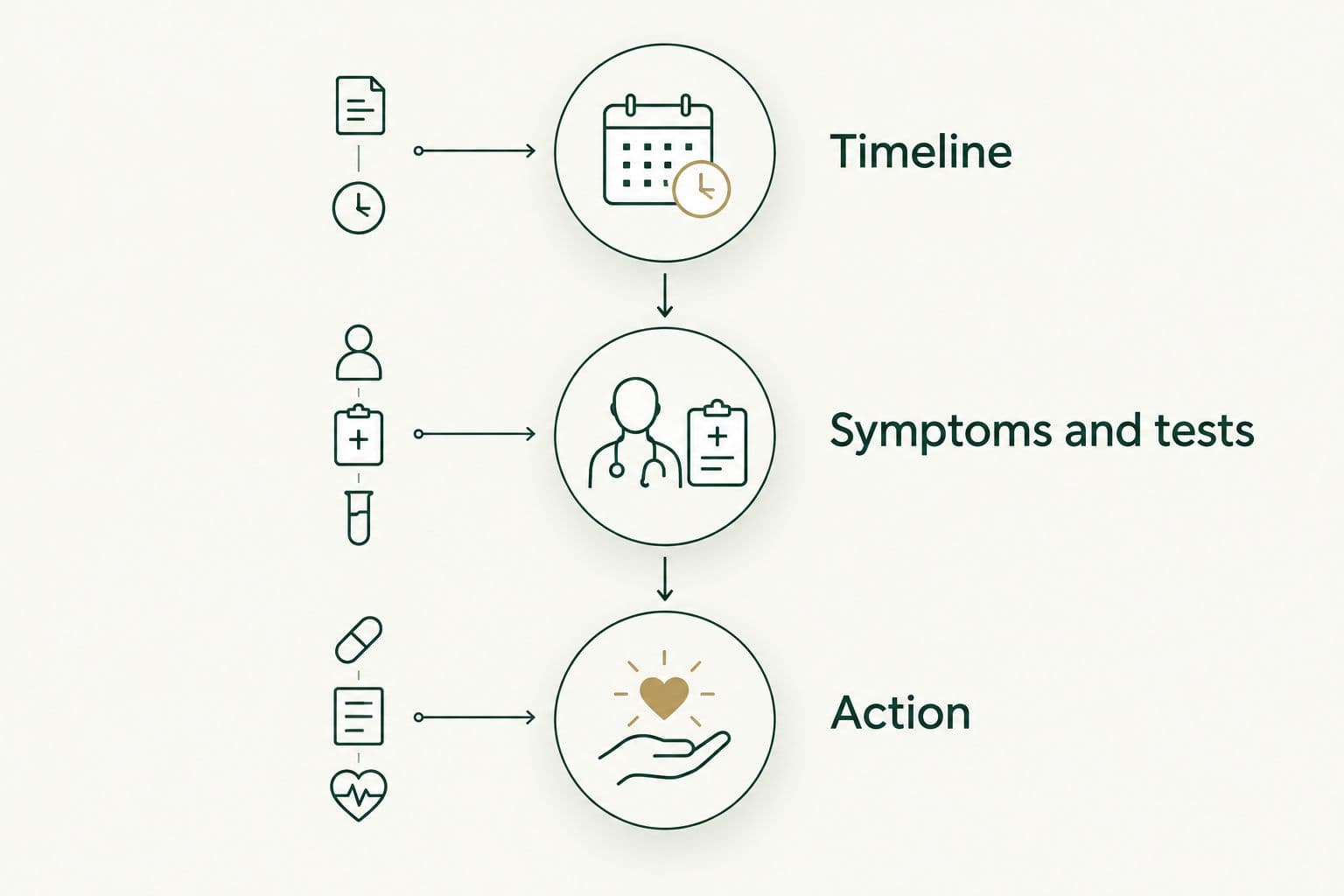
Testing is useful when the result informs a clinical decision.
Which treatments address the cause rather than just the weight?
The right treatment depends on the diagnosis, your goals and the balance of benefits and risks. Hormone replacement and medical weight loss are not interchangeable treatments, even when both belong in your care plan.
| Treatment approach | Best for | Main benefit | Important limitation |
|---|---|---|---|
| Thyroid replacement | Confirmed hypothyroidism | Corrects thyroid hormone deficiency | Not a weight-loss drug for normal thyroid function |
| Menopausal hormone therapy | Appropriate patients with menopause symptoms | Treats symptoms such as hot flashes | Not a primary obesity treatment |
| Testosterone therapy | Men with confirmed, symptomatic deficiency | Addresses manifestations of deficiency | Requires monitoring and can suppress fertility |
| Medical weight-loss treatment | Patients meeting clinical criteria | Addresses obesity alongside nutrition and activity | Requires assessment, follow-up and management of adverse effects |
Treat the diagnosed condition while addressing weight and cardiovascular risk together. Correcting a hormone deficiency does not remove the need for ongoing weight management. Likewise, prescribing a weight-loss medicine does not explain untreated thyroid symptoms or menstrual changes.
For your 2026 plan, ask the clinical team to define separate measures of progress: symptom relief, weight trend, waist measurements, blood pressure, strength and relevant laboratory results. A lower number on the scale is not the only meaningful outcome.
Our guide to direct primary care for weight-loss management explains how ongoing clinical care fits this process.
How our membership connects hormone and weight care
GoodLife Health's Cardiometabolic Optimization Membership is best for adults who want weight, hormone and cardiovascular care managed together. We organize care around the connection between these systems, rather than treating a hormone prescription and a weight-loss prescription as unrelated purchases.
The membership includes a comprehensive Biomarker Audit every 90 days or 4 per year, through the Beluga Health lab network. It includes ApoB, Lp(a), hs-CRP, HbA1c, lipids, insulin markers and full hormone and thyroid panels. Results require clinical interpretation. The panel does not replace a symptom-specific diagnostic workup.
Clinical care is delivered by licensed physicians of Beluga Health, P.A., an independent Florida professional corporation licensed to practice in all 50 states, working under GoodLife Health's clinical protocols.
When appropriate, the clinical team can prescribe branded, FDA-approved GLP-1 medication and hormone treatment. We never offer compounded GLP-1 medication. A membership does not guarantee a particular diagnosis or prescription.
The financial boundary is explicit: $299/month covers the membership, not the medication. Your first charge is $598 for the initial two-month commitment. Pharmacy charges remain separate and additional labs beyond the quarterly cadence are billed at pass-through cost. This is ongoing care, not a replacement for hospital coverage or emergency services.
If your objection is paying for another isolated prescription without understanding the plateau, our model connects the assessment, the treatment decision and follow-up in one clinical relationship.
Will balancing my hormones make me lose weight?
Treating a confirmed hormone disorder can remove a contributor to weight difficulty, but it does not guarantee weight loss. Your response depends on the condition, the treatment and the other factors affecting your health.
We recommend asking your clinician which changes should follow treatment and which require a separate plan. Relief from constipation, hot flashes or sexual symptoms is meaningful even when your scale changes little.
Can my hormones be normal and weight loss still be difficult?
Normal hormone results do not make your difficulty imaginary. Appetite regulation, sleep apnea, medications, pain, reduced activity and changing energy needs can all contribute without an abnormal reproductive hormone panel.
Do not keep repeating the same tests without a new clinical question. A broader assessment can identify a more useful next step than searching indefinitely for a hormone number to correct.
When should I seek care sooner?
Arrange medical assessment when weight changes accompany persistent cold intolerance, marked fatigue, irregular periods, easy bruising or muscle weakness. These symptoms are reasons to investigate, not proof of a particular diagnosis.
Rapid weight gain with leg swelling or shortness of breath needs prompt assessment because fluid retention can signal a problem beyond hormones. Chest pain, severe breathing difficulty or confusion requires emergency care. Do not wait for a routine telehealth appointment or your next scheduled blood draw.
FAQ
Can hormone imbalance stop weight loss even if I eat less?
A hormone disorder can make weight loss harder by affecting energy expenditure, appetite, fluid retention or your ability to stay active. A stalled scale alone does not establish a hormone disorder, so evaluation should include your symptoms, medications, sleep and weight trend.
What's the first hormone test to ask about for weight gain?
There is no single hormone test that explains all weight gain. TSH is commonly a starting test when thyroid disease is suspected, while reproductive hormone or cortisol testing depends on your symptoms and medical history.
Does a normal TSH mean my weight problem isn't medical?
A normal TSH does not exclude every medical contributor to weight difficulty. Your clinician should consider medications, glucose regulation, sleep disorders and other conditions rather than assume the problem is either thyroid disease or willpower.
Will estrogen or progesterone help me lose belly fat?
Estrogen and progesterone are not primary weight-loss treatments. Menopausal hormone therapy can treat appropriate menopause symptoms, while abdominal fat and cardiometabolic risk need their own assessment and management.
Should I get cortisol tested because I have stubborn belly fat?
Stubborn belly fat alone is not a reason for routine cortisol testing. A clinician should look for a pattern suggesting pathological cortisol excess and select an appropriate diagnostic test rather than rely on a random cortisol level.
Can I take weight-loss medicine while treating a hormone disorder?
Weight-loss medication and treatment for a diagnosed hormone disorder can be part of the same care plan when clinically appropriate. Your physician must review contraindications, medication interactions, pregnancy plans and monitoring needs before prescribing.
How much does GoodLife Health's hormone and weight membership cost?
GoodLife Health's Cardiometabolic Optimization Membership costs $299/month, with a $598 first charge covering the initial two-month commitment. A Biomarker Audit every 90 days is included. Medication is billed separately by the pharmacy at pharmacy cost and additional labs are billed at pass-through cost.
Do I have to wait for quarterly labs if new symptoms appear?
New or worsening symptoms should be assessed when they occur rather than postponed until scheduled quarterly labs. Additional testing beyond the included quarterly cadence is billed at pass-through cost and urgent symptoms require an appropriate urgent or emergency evaluation.
One last thing
A plateau is information, not a diagnosis. The most useful question to take into your next 2026 appointment is not whether your hormones are perfect. It is which finding would change your treatment.
Bring your medication list, previous laboratory reports and a timeline of symptoms. Ask the clinician to connect them before adding another prescription or cutting food further. You deserve an explanation you can understand, with a clear next step and a clear boundary around what treatment can achieve.
Related Guides
- How to lose weight with hypothyroidism
- PCOS and insulin resistance: how a doctor treats both
- Menopause and weight gain: how hormones drive the change
References
- Treatment of Symptoms of the Menopause: An Endocrine Society Clinical Practice Guideline. 2015. doi.org/10.1210/jc.2015-2236
- Testosterone Therapy in Men with Hypogonadism: An Endocrine Society Clinical Practice Guideline. 2018. doi.org/10.1210/jc.2018-00229